The stages of a wart falling off happen in clear steps: colour change, drying and shrinking, blister or scab formation, detachment, and final healing. Watching these stages closely helps you understand how your skin is recovering and shows that your body is fighting the virus naturally.
The HPV virus causes warts, and they may appear on the hands, feet, or other areas. They don’t vanish instantly, and knowing what to expect at each stage can make the healing process less worrying.
In this blog, we’ll guide you through each stage of a wart falling off so that you can care for your skin safely and effectively.
What Causes a Wart to Fall Off?
A wart falls off when the virus inside it dies. This happens slowly as the body works to remove the infected skin.- Your immune system plays a big role. It learns to recognise the virus and begins to attack it. When this happens, the wart stops growing.
- Treatment helps speed up this process. Freezing, acid treatments, or medical care damage the wart so the body can more easily remove it.
- The blood supply to the wart also stops. Without blood, the wart dries out and begins to shrink.
What are the 5 Stages of a Wart Falling Off?
Understanding how a wart disappears can make the healing process less worrying. Here are the 5 stages of a wart falling off and what to expect at each step1. Stage 1: Colour Change and Early Signs
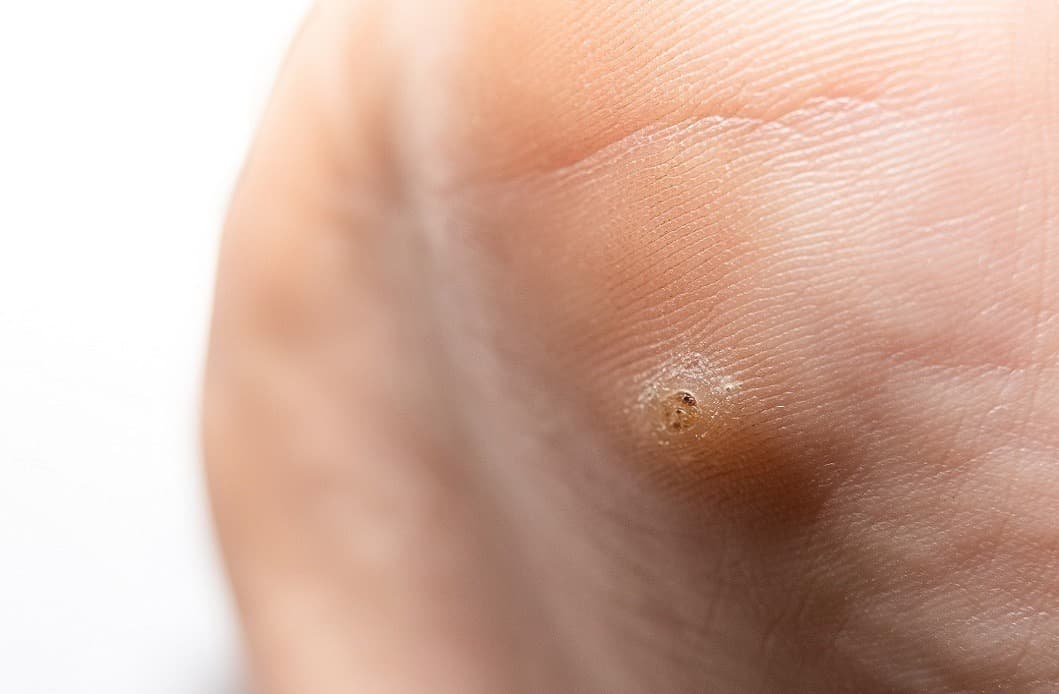
The wart starts to change colour. It may look white, grey, brown, or even black. Small black dots can appear inside the wart. These are tiny blood vessels that are no longer working. The wart may look darker than the skin around it. This means the blood supply is stopping. The surface can feel different. It may seem drier and less raised than before. This stage is normal. It shows the wart is beginning to die, or that the treatment or the body is working. Do not touch or pick it. Let the process happen on its own.2. Stage 2: Drying and Shrinking
The wart starts to dry out. It no longer feels soft or spongy. It slowly gets smaller each day. This is a good sign of healing. The surface can become rough. Small bits of skin may peel or flake off. The wart may look flatter than before. Edges are less clear. It can feel hard when you touch it. This means the damaged skin is dying. Do not cut, pull, or scratch the wart, and keep the area clean. Picking can cause pain or spread the virus.3. Stage 3: Blister or Scab (Common After Freezing)
If a doctor freezes the wart, a blister may form under or around it. This can happen within one day. The blister may look clear or dark red; both are normal and show the skin is reacting. As days pass, the blister dries out and turns into a scab. This helps lift the wart away from healthy skin underneath. Do not pop the blister or pull the scab. Let it dry and heal on its own to avoid marks or infection.4. Stage 4: Wart Falls Off
Once the wart tissue is fully dead, it will fall off by itself. Sometimes it drops off, or sometimes the scab comes away gently. You may see a small dip or soft spot in the skin. This is common, especially with deeper warts. The skin underneath may look pink or red, showing that new skin is forming. Keep the area clean and dry, and do not scratch or pick at the new skin.5. Stage 5: Final Healing
After the wart has fallen off, the skin continues to heal. This stage takes a little time and patience. The colour slowly fades back to normal. The skin surface becomes smooth again. Normal skin lines, like fingerprints or foot lines, start to return, showing that the skin is healthy. Healing can take days or a few weeks. Once healed, the area should feel and look like normal skin again.How Do You Know When a Wart Is Falling Off?
The wart starts to get smaller than before. This shows it is no longer growing, and the body is fighting it. The signs may include:- The colour begins to change. It may turn white, brown, or black.
- The surface feels dry and rough rather than soft or fleshy.
- Skin on top may peel or flake away.
- The wart may feel harder to touch.
What Colour Is a Wart When It’s Dying?
When a wart is falling off, it changes its colour. Here are some colours that indicate the wart is healing:- White or grey at first: The top layers of skin die and dry out, often after freezing or acid treatments.
- Brown or black spots: Tiny clotted blood vessels that fed the wart are dying; this is normal.
- Pink or red underneath: Healthy skin begins to show as the wart heals.
- Return to normal skin colour: Over time, the area blends back with the surrounding skin.
How Long Does a Wart Take to Fall Off?
The time it takes for a wart to fall off can vary depending on the treatment, location, and size of the wart.- Freezing (Cryotherapy): Usually 7 to 14 days for the wart or scab to fall off.
- Acid Treatments (Salicylic Acid): Can take 4 to 12 weeks of daily application for complete removal.
- Foot Warts (Plantar Warts): Often take longer because they are thicker and grow inward.
- Size and Location Matter: Larger warts or warts in tricky spots may need more time or multiple treatments.
- Consistency Helps: Following the treatment instructions daily speeds up healing.
What Factors Can Slow The Healing of Warts?
Some things can make a wart take longer to heal, so it’s good to know what might slow the process:- Picking or cutting the wart: Touching or trying to remove it can irritate the skin, spread the virus, and delay healing.
- Stopping treatment too early: Whether using salicylic acid or other home remedies, not completing the full course can prevent the wart from falling off completely.
- Weak immune system: Your body needs a strong immune response to fight the virus. Illness, stress, or certain medications can slow this.
- Thick or deep warts: Plantar warts on the soles of your feet or older, bigger warts may take longer to respond to treatment.
- Location of the wart: Warts on pressure points, like hands or feet, may face constant friction, which can slow the healing process.
What Is Normal vs Not Normal During Stages of a Wart Falling Off?
When a wart is falling off, some changes are completely normal, while others may signal a problem. Knowing the difference helps you care for your skin safely.| Normal Signs | Not Normal Signs |
|
|

Look and Feel Your Best Every Day!
- •Advanced facial, body, and hair treatments.
- •Tailored solutions for lasting confidence.
- •Caring support at every step.
When to See a Doctor
See a doctor if the wart:- Doesn’t improve with treatment.
- Spreads or grows.
- Bleeds or hurts a lot.
- It is on the face, in private areas, or on the feet and causes discomfort.
Recap: The Stages of a Wart Falling Off
Wart removal is a gradual process, and it’s important to let your skin heal naturally. The healing stages start with colour change, drying and shrinking, blister or scab formation, wart falling off, and final skin restoration. All these stages show that your body is fighting the virus. Avoid picking or scratching, and follow your treatment carefully. If you’re struggling with persistent or painful warts, the One Clinic in Leicester offers professional wart removal to help your skin heal safely and effectively.FAQs
1. How to treat warts on the scalp?
Use salicylic acid daily to soften and peel the wart. Cryotherapy by a professional can freeze it until it falls off. Duct tape may help, but it is less reliable. Never cut or burn it yourself.2. How to get rid of warts on knees?
Apply 17% salicylic acid daily after soaking the wart in warm water. The wart will slowly shrink, peel, and disappear over several weeks.3. How to treat warts while pregnant?
Safe options:- Cryotherapy by a professional
- Small-area salicylic acid with a doctor’s guidance
- Laser or surgery only if necessary
- Avoid using certain drugs or self-surgery. Many warts disappear after childbirth.