
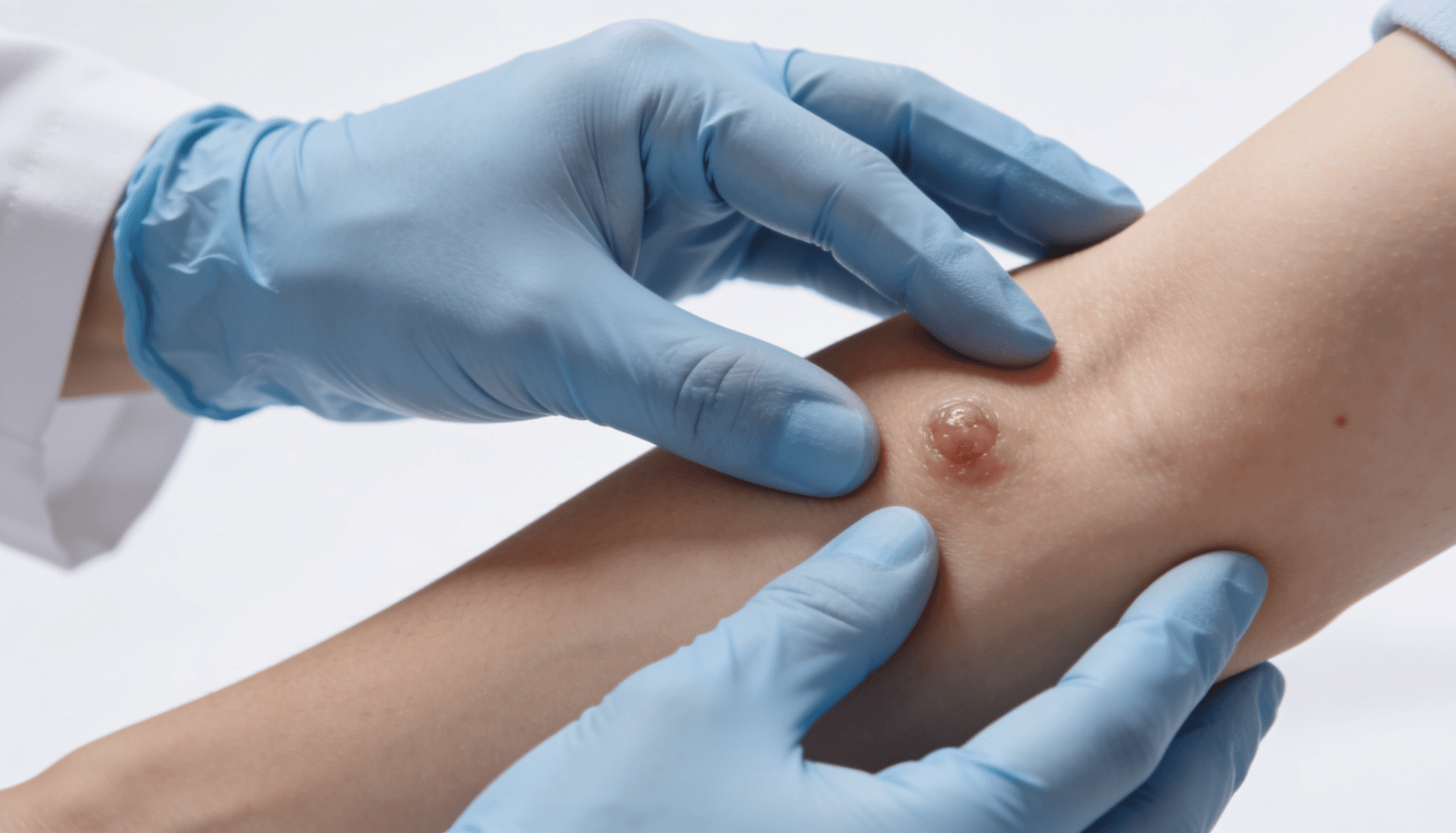
There are many types of cysts, including epidermoid cysts, pilar cysts, sebaceous cysts, and ganglion cysts. You find a lump on your skin. It feels smooth and moves a little when you touch it. You might feel worried. You ask yourself, 'What is this?'
It is likely a cyst.
Most cysts are harmless. They are common. But we understand why you worry. It is your body, and you want to know what is happening. You want to know if it will go away. You want to know if you need to remove it.
At The One Clinic, we see patients with these lumps every day. We help you understand them. We help you treat them.
In this blog, we explain the different types of cysts. We look at why they form. We also discuss how to treat them safely.
What Is a Cyst?
A cyst is a closed pocket of tissue. It can form anywhere on the body. It can contain fluid, air, or semi-solid material. Think of it like a small balloon under the skin. It feels like a pea or a grape. It usually grows slowly. It is usually not painful unless it gets infected. The most important thing to know is this: Most cysts are not cancer. They are benign. However, you should not ignore them. They can grow large. They can become uncomfortable. They can look unsightly. If you have a lump, you need to know its type. This helps you decide what to do next.Common Types of Cysts
There are many types of cysts. Some are on the surface. Some are deeper. Here are the four most common types we treat.Epidermoid Cysts
This is the most common type of cyst. You might find one on your face, neck, or chest. You might also see them on your back. What they look like: They look like small bumps. The skin over them is the same colour as your normal skin. Sometimes, they look yellow. You might see a tiny black dot in the centre. We call this a punctum. Why they happen: Your skin has layers. The top layer is the epidermis. Sometimes, cells from the top layer move deeper into the skin. They should fall off, but they do not. They multiply, form a sac, and produce keratin. Keratin is a thick, cheese-like substance. This fills the sac. If the cyst bursts, the keratin leaks out. It smells bad. It causes redness and swelling.Pilar Cysts
These cysts form around hair follicles. You usually find them on the scalp. What they look like: They feel firm. They are smooth. They are often the colour of your skin. Because they are on the head, your hair might hide them. But you can feel them when you brush your hair or wash your head. How they differ from epidermoid cysts: The sac of a pilar cyst is thicker. This makes them easier to remove in one piece. They often run in families. If your parents had them, you might get them too. They are usually harmless. However, they can grow quite large. This can cause pressure or discomfort.Sebaceous Cysts
People often use this name for all skin cysts. This is incorrect. True sebaceous cysts are rare. Where they form: They come from sebaceous glands. These glands make oil for your hair and skin. If the gland blocks, oil builds up. A cyst forms. What to look for: You find them on the face, neck, or torso. They contain sebum (oil), not keratin. They are less common than epidermoid cysts.Ganglion Cysts
These are different from the skin cysts above. They form near joints. You usually see them on the wrist or hand. You might also get them on the ankle or foot. What they feel like: They feel like a round lump. They can be soft or very firm. They contain a jelly-like fluid. Why they matter: They can press on nerves. This causes pain. It can make your hand feel weak. Sometimes, they disappear on their own. Other times, they stay and grow. If they cause pain, treat them.Ready to Remove Your Cyst Permanently?
- Gold-standard surgical excision
- Safe, complete removal with minimal scarring
- Expert, doctor-led care
Causes of Cysts and When to Seek Help
You might wonder, 'Why did I get this?' Usually, there is no obvious reason. It is not because you are dirty. It is not because of your diet. Common causes include:- Blocked ducts: A hair follicle or oil gland gets blocked. Fluid builds up.
- Cell damage: An injury to the skin can push cells inward.
- Genetics: Some people are simply more prone to them.
When should you see a doctor?
Most cysts are safe. But you should seek advice if you notice changes. Watch for these signs:- Pain: The lump hurts when you touch it.
- Redness: The skin around the lump looks red or hot.
- Size: The lump grows fast.
- Location: The lump is in a place that bothers you.

Look and Feel Your Best Every Day!
- •Advanced facial, body, and hair treatments.
- •Tailored solutions for lasting confidence.
- •Caring support at every step.
Diagnosis and Treatment Options
How do we know it is a cyst? How do we fix it?How We Diagnose It
At The One Clinic, we look at the lump. We feel it. Usually, this is enough. We can distinguish a cyst from other conditions. Sometimes, we might suggest an ultrasound. This lets us see inside the lump. It helps us check if it is solid or filled with fluid.How We Treat It
You have a few options.1. Watch and Wait
If the cyst is small, you can leave it. It might not bother you. However, it will not disappear on its own. It might grow larger over time.2. Drainage
A doctor can cut the cyst and drain the fluid. This shrinks the lump. The problem: The sac stays behind. The cyst often fills up again. We do not recommend this as a permanent fix.3. Surgical Removal (Excision)
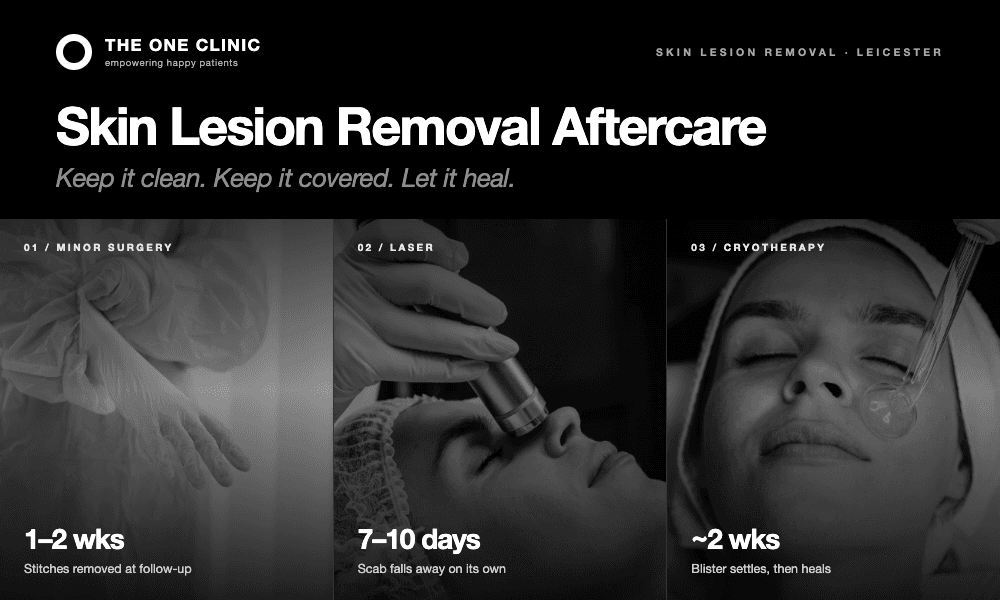
This is the best option. It is the gold standard. We numb the area with a local anaesthetic. You are awake, but you feel no pain. We make a small cut. We remove the entire cyst, including the sac. Then, we close the skin with stitches. Why this is better: Because we remove the sac, the cyst cannot come back. We send the tissue to a lab for analysis. This confirms it is benign. You get peace of mind. Our skin lesion removal service in Leicester uses exactly this approach — precise excision for a safe, complete result. Important Note: Do not try to pop it yourself. You might want to squeeze it. Please do not. You push the infection deeper. You damage the skin. You increase the risk of a scar. Let an expert handle it.Why Choose The One Clinic?
Your skin is precious. You want the best care. At The One Clinic, we prioritise your safety. We specialise in minor surgical procedures in Leicester. We treat you in a clean, clinical environment. We understand that even a small lump can affect your confidence. You want it gone. You want a good cosmetic result. Our approach is simple:- Expert Care: Our doctors have years of experience.
- Minimal Scarring: We use precise techniques to minimise scarring.
- Comfort: We make sure you feel calm and comfortable.
- Aftercare: We support you while you heal.
Get Your Cyst Assessed by an Expert Today
- Safe, clinical environment
- Minimal scarring techniques
- Full aftercare support
Take the Next Step in Your Aesthetic or Health Journey!
- •Personalised treatments for your unique needs.
- •Safe, effective, and natural-looking results.
- •Expert guidance from our professionals.

.png&w=3840&q=75)