
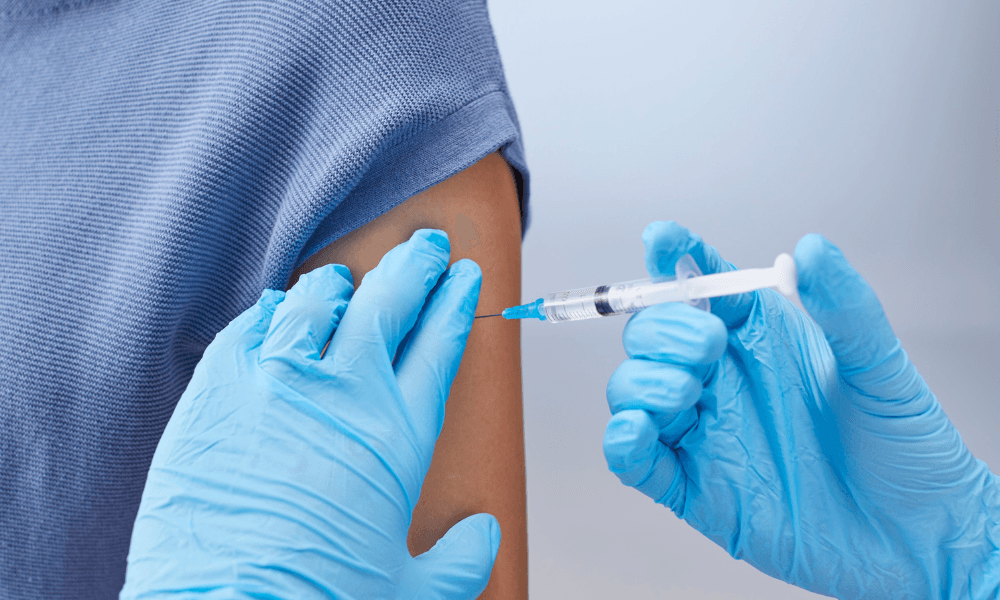
If you want to know where to get hay fever injections, the short answer is that you get them privately, from a GMC-registered doctor, after a face-to-face consultation. The NHS no longer offers them, so a private clinic is now the usual route. A doctor checks that the treatment suits you, then gives the injection in just a few minutes.
Hay fever may ruin your summer. Non-stop sneezing, a blocked nose, and itchy eyes make it impossible to work properly or relax. If tablets and sprays no longer help, most people look for an alternative that works better.
A hay fever injection is one of those options. It is not a cure, and it is not right for everyone. This guide explains what the injection is, how it works, who it suits, and where to get it safely.
Key Takeaways
- A hay fever injection is a steroid injection, not a vaccine. Most clinics use Kenalog (triamcinolone).
- The NHS stopped offering it years ago, so it is now a private treatment.
- It calms severe symptoms for several weeks but does not cure hay fever.
- Doctors suggest it only after antihistamines and nasal sprays have failed.
- A GMC-registered doctor must check your health before giving the injection.
- A private hay fever injection in the UK usually costs between £75 and £150.
Where to Get Hay Fever Injections
Since the NHS no longer provides the treatment, you have a handful of private routes to choose from. The main places to get hay fever injections in the UK are:- Private GP clinics: The most common route. A GMC-registered private GP checks your suitability and can give the injection in a single appointment.
- CQC-registered private clinics: Clinics regulated by the Care Quality Commission, with a doctor or nurse prescriber on site. These offer a safe, clinical environment with full aftercare support.
- Private travel and health clinics: Some offer the injection alongside other doctor-led services, always after a proper consultation.
- Private pharmacies: A few advertise the jab, but a qualified prescriber must still administer it after a thorough health check.
- The NHS (alternatives only): Your NHS GP will not give the injection, but can suggest antihistamines, steroid nasal sprays, or eye drops, and may refer you for allergy testing.
Have Your Tablets and Nasal Sprays Stopped Working?
- GMC-registered doctors assess your suitability in a CQC-registered clinic
- Quick, safe injection with no downtime required
- Personalised advice and clear aftercare guidance
What Are Hay Fever Injections?
A hay fever injection is a dose of corticosteroid — a type of steroid — given to calm a severe allergic reaction to pollen. Most UK clinics use a medicine called Kenalog, which contains triamcinolone. People often call it a hay fever jab. The injection is not a vaccine. A vaccine trains your body to fight an infection. A hay fever steroid injection does the opposite. It gently lowers your immune system's overreaction so it stops attacking harmless pollen. It reduces the swelling and irritation that cause your symptoms. A doctor gives the injection into the muscle of your upper buttock. It takes only a few minutes. One dose can ease symptoms for several weeks, and for many people it covers a large part of the pollen season. It helps to be clear about what the injection does and does not do:- It reduces how severe your symptoms feel.
- It works for several weeks, not forever.
- It does not cure hay fever or stop it from returning next year.
Symptoms of Severe Hay Fever
Mild hay fever is annoying. Severe hay fever can take over your day. The symptoms are not just a runny nose. They can affect your sleep, your focus, and your mood. Common symptoms include:- Sneezing again and again
- A blocked or runny nose
- Itchy, red, or watery eyes
- An itchy throat, mouth, or ears
- Mucus running down the back of the throat
- A cough caused by that mucus
- Tiredness and broken sleep
- Trouble concentrating
How Hay Fever Injections Work
A hay fever injection works by calming the immune system for several weeks. Once the steroid is in your body, it lowers the inflammation behind your symptoms. Many people feel some relief within one to two days, and the full effect usually settles in within about ten days. A typical appointment follows four simple steps:- Consultation: You meet a GMC-registered doctor face-to-face. This takes around 20 to 30 minutes.
- Health check: The doctor reviews your medical history and looks for any reason the injection might not be safe for you.
- The injection: If you are suitable, the doctor will inject it into the muscle in your upper buttock. This part takes only a few minutes.
- Aftercare: You can return to your normal day straight away. Mild soreness where the needle went in is normal and soon fades.
Severe Hay Fever Should Not Keep You Stuck Indoors All Summer
- Fast, effective relief that lasts weeks
- Experienced Leicester doctors assess your full medical history
- Comfortable, doctor-led care in a CQC-registered clinic
Are Hay Fever Injections Safe?
A steroid injection is powerful, so it is not a first choice. The NHS stopped giving hay fever injections several years ago. Its guidelines concluded that, for most people, the risks of a strong steroid outweigh the benefits when safer options exist. That is why a good clinic treats the injection as a last step. A doctor will usually expect you to have already tried:- Non-drowsy antihistamine tablets
- Steroid nasal sprays
- Antihistamine eye drops
- Have an active infection
- Have diabetes that is hard to control
- Are pregnant or breastfeeding
- Take medicines that suppress your immune system
Recovery and Aftercare
One of the main advantages of a hay fever injection is that recovery is immediate. Because the doctor delivers it into the muscle, there is no wound to heal and no downtime required. You can drive yourself home, return to your desk, or carry on with your day within minutes of leaving the clinic. In the first 24 hours, you may notice mild tenderness or a slight ache at the injection site. This is normal and settles quickly without any treatment. A cool compress applied gently to the area can help if you feel any discomfort. You do not need to avoid exercise, alcohol, or any specific foods after the injection. However, you should monitor how your body responds over the following days. If you notice swelling, redness, or warmth at the injection site that is getting worse rather than better, contact the clinic promptly. Most clinics will ask you to stay briefly after the injection so that a doctor or nurse can check that you are feeling well before you leave.Results and Expectations
Most patients notice that their hay fever symptoms feel less intense within one to two days of the injection. The full anti-inflammatory effect builds gradually and usually reaches its peak around seven to ten days after treatment. The duration of relief varies between patients. For many, a single injection covers a significant part of the pollen season — often six to ten weeks. Factors that influence how long it lasts include the severity of your hay fever, your body's individual response to the steroid, and pollen levels in your area. It is important to set realistic expectations. The injection reduces symptom severity — it does not eliminate all symptoms entirely. On very high pollen days, you may still experience some sneezing or eye irritation, though typically at a much lower level than before. Continuing with a nasal spray or antihistamine tablet alongside the injection can help manage any remaining symptoms on peak days. The injection does not build up in the body. Once it wears off, it is gone, and hay fever will return in future pollen seasons. It is not a long-term cure.
Look and Feel Your Best Every Day!
- •Advanced facial, body, and hair treatments.
- •Tailored solutions for lasting confidence.
- •Caring support at every step.
Who is Suitable for Hay Fever Injections?
A hay fever injection is suitable for adults who experience severe, persistent hay fever symptoms that significantly affect their daily life, sleep, or work — and who have already tried standard treatments without adequate relief. You are likely to be a good candidate if:- Antihistamines and steroid nasal sprays have not controlled your symptoms sufficiently
- Your symptoms are severe enough to disrupt sleep, work, or daily activities
- You are in generally good health with no contraindications to steroid treatment
- You do not have an active infection, uncontrolled diabetes, or a condition that affects your immune system
Conclusion
If you have been wondering where to get hay fever injections, the route is now a private clinic, where a GMC-registered doctor can assess you and give the treatment safely. A hay fever injection is a steroid jab — usually Kenalog — that eases severe symptoms for several weeks. It does not cure hay fever, and it is only the right choice once tablets and sprays have failed. The most important step is the consultation. A proper health check ensures the injection is safe for you and helps set realistic expectations for the relief you can expect. You do not have to put up with symptoms that ruin your sleep and your summer. To find out whether this treatment suits you, speak to the team at The One Clinic in Leicester about hay fever treatments, where experienced doctors provide safe, consultation-led care.Take the Next Step in Your Aesthetic or Health Journey!
- •Personalised treatments for your unique needs.
- •Safe, effective, and natural-looking results.
- •Expert guidance from our professionals.

.png&w=3840&q=75)